


-

Add: HeBei ShengShi HongBang Cellulose Technology CO.,LTD.
-

Email
13180486930@163.com -

CONTACT US
+86 13180486930




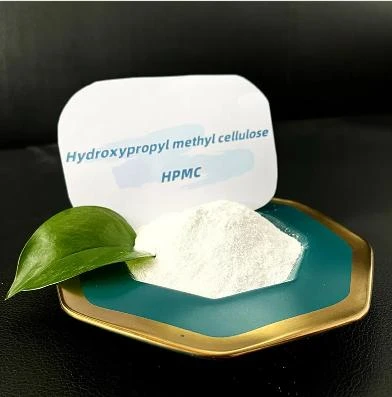


Hydroxypropyl Methylcellulose (HPMC) has emerged as a versatile and essential ingredient in the food industry, transforming the way food products are developed and enhancing their quality. Employed namely for its exceptional emulsifying, thickening, and gelling abilities, HPMC continues to gain recognition among food scientists and manufacturers for its innovative applications. With its origin traced back to cellulose, HPMC is produced through the chemical modification of this natural component, ensuring it remains non-toxic and safe for consumption. This synthetic polymer exhibits a high-water retention quality and forms a gel when dissolved in cold water, which makes it optimal for a multitude of food applications. In bakery products, HPMC assumes a critical role in improving dough properties, retaining moisture during baking, and extending the shelf life of finished products. Its ability to reduce the retrogradation of starch ensures that baked goods maintain freshness longer than they typically might, which is highly beneficial for both bakeries and consumers. The addition of HPMC in gluten-free recipes is a game-changer, as it compensates for the loss of gluten, providing structure and elasticity to dough, thus enhancing the texture and appeal of gluten-free bread and pastries. Furthermore, HPMC’s role in creating emulsions makes it indispensable in the production of sauces, dressings, and gravies. Its stabilizing properties prevent the separation of oil and water, ensuring a consistent texture and appearance. Food scientists have noted its effectiveness in low-fat and low-calorie products, where fat content reduction is desired. Here, HPMC enhances mouthfeel and mimics the creaminess of full-fat counterparts without compromising taste or satisfaction, aligning perfectly with the growing demand for healthier food options. In the dairy industry, HPMC is utilized to improve viscosity and stabilize dairy products such as yogurt and ice cream. It helps in maintaining the form and consistency, particularly in reduced-fat versions, by preventing ice crystal formation which can detract from the smoothness typically desired in ice cream. By promoting even distribution of particles and maintaining the suspension of other ingredients, HPMC ensures consistency throughout the product's shelf life. hpmc in food Snack foods benefit from HPMC's film-forming properties, which are leveraged to create barriers that prevent moisture gain and oil migration, preserving crunchiness and flavor. This attribute is particularly advantageous in products such as fried snacks and cereals, where a prolonged crispiness is a key quality attribute sought by consumers. The burgeoning plant-based food sector has also recognized the utility of HPMC. As an emulsifier, binder, and stabilizer, HPMC enhances the coherency and mouthfeel of plant-based meat and dairy alternatives. It helps mimic the juicy texture and structure of animal-derived products, often missing in plant-based options, thereby raising their appeal to a broader audience. However, the incorporation of HPMC into food products is not merely functional; it's also regulated by stringent safety standards. The Food and Drug Administration (FDA) along with the European Food Safety Authority (EFSA) have approved HPMC as a safe food additive, which reassures both manufacturers and consumers regarding its use. Innovation and sustainability also find their intersection with HPMC, as its cellulose base derives from plant fibers, positioning it as an environmentally friendly option in food production. This sustainability angle aligns with global movements towards reducing environmental impact, elevating HPMC's status not just as a synthetic enhancer but as a responsible choice within product formulations. As food technology advances, the importance of HPMC in food products only becomes more pronounced . Its adaptability and multifaceted benefits make it a cornerstone in developing not only tasty but also stable and healthy food options. For food manufacturers aiming to stay ahead in the competitive market, understanding and utilizing HPMC’s full potential is indispensable.
- 40000tons

Production
- 20+years

Experience
- 5000+㎡

Acreage

-
In today’s fast-paced manufacturing and construction industries, the demand for sustainable and cost-effective raw materials is driving attention toward rubber powder for sale . Derived from the recycling of used tires and industrial rubber scraps, rubber powder represents not only a valuable resource but a step toward environmental responsibility. Its unique properties—elasticity, durability, and compatibility—make it indispensable across a wide range of applications, from asphalt to playgrounds and waterproofing membranes. The market for rubber powder for sale has grown significantly as businesses seek to cut costs without sacrificing performance. Unlike traditional virgin rubber compounds, recycled rubber powder offers equivalent functional characteristics at a fraction of the cost. It can be used as a filler, modifier, or even a primary material in processes involving injection molding, paving, and sealant formulation. What makes rubber powder for sale truly compelling is its environmental footprint. Reusing discarded rubber helps reduce landfill waste and limits the carbon emissions associated with producing new synthetic rubber. As a circular economy solution, rubber powder addresses both sustainability and performance goals, enabling manufacturers to deliver eco-conscious products that perform reliably across industries. Chlorinated Rubber Powder: Weather Resistance Meets Chemical Durability Among the many types of recycled rubber materials, chlorinated rubber powder holds a special place for its chemical resilience and outdoor durability. This specialized rubber powder is created by chemically modifying natural rubber to introduce chlorine atoms, which significantly improve its resistance to acids, alkalis, solvents, and harsh weather conditions. The resulting chlorinated rubber powder is ideal for use in protective coatings, marine paints, adhesives, and high-performance sealants. Its ability to resist oxidation and degradation under UV light makes it an excellent choice for long-term exposure applications, such as ship hulls, bridges, and outdoor structures. It adheres well to metals, concrete, and composite surfaces, forming a barrier that protects underlying materials from corrosion and mechanical damage. Formulators in the paint and coatings industries rely on chlorinated rubber powder to achieve quick-drying, abrasion-resistant finishes that can withstand years of environmental stress. Additionally, this rubber type boasts low permeability and excellent adhesion, even under wet conditions, offering enhanced performance in safety-critical environments. As industries pivot toward longevity and minimal maintenance, the demand for chlorinated rubber powder continues to rise. Its chemical structure makes it one of the most versatile additives in industrial formulations, valued for both its performance and cost efficiency. Rubber Accelerator Free Gloves: Safety Meets Skin Sensitivity In healthcare, food handling, and cleanroom environments, glove safety isn’t just about barrier protection—it's about skin compatibility and long-term user comfort. That’s where rubber accelerator free gloves come into play. Traditional rubber gloves, while effective at blocking contaminants, often cause allergic reactions due to accelerators like thiurams, carbamates, or mercaptobenzothiazole used in the vulcanization process. These accelerators are known allergens and can trigger contact dermatitis in sensitive users. Rubber accelerator free gloves offer the same strength, elasticity, and tactile sensitivity as traditional gloves, but without the risk of chemical irritants. By eliminating accelerators, manufacturers create gloves that are hypoallergenic and suitable for long-term use in hospitals, laboratories, and high-precision environments. These gloves are also ideal for workers exposed to glove use for extended hours, helping reduce the incidence of occupational dermatitis. In addition to skin safety, rubber accelerator free gloves comply with stringent regulations regarding food safety, medical certification, and chemical resistance. They maintain high tensile strength and puncture resistance while offering a soft, comfortable feel. The production of accelerator-free gloves represents an industry shift toward user-centric design, prioritizing health without compromising performance. As workplace safety standards evolve and the prevalence of latex and chemical allergies increases, the popularity of rubber accelerator free gloves will only grow. Institutions prioritizing both staff well-being and compliance are making the switch, ensuring safer and more comfortable work environments for all. Natural Rubber Powder: The Versatile Eco-Friendly Compound In the world of sustainable materials, natural rubber powder is gaining recognition as a versatile, biodegradable, and cost-efficient alternative to synthetic polymers. Made by finely grinding virgin or scrap natural rubber, this powder retains the intrinsic elasticity, tensile strength, and resilience of its source material, offering a wide array of application possibilities. Natural rubber powder is widely used in manufacturing automotive parts, footwear, rubberized flooring, adhesives, and even waterproofing agents. It serves as an excellent filler or reinforcement agent, improving the mechanical properties of base compounds while reducing overall material costs. Because it's derived from renewable sources such as Hevea brasiliensis trees, it also appeals to brands and industries pushing toward greener production standards. One key advantage of natural rubber powder is its superior compatibility with other elastomers and resins. Whether it’s thermoplastic blends or rubber-modified asphalt, this powder enhances elasticity, shock absorption, and aging resistance. It can also be customized by particle size, surface treatment, or chemical composition to meet specific industrial needs. For producers aiming to reduce their environmental impact without sacrificing product performance, natural rubber powder presents a compelling option. It supports circular material flows, reduces dependency on petrochemical-based synthetics, and aligns with growing consumer demand for eco-conscious products. Choosing the Right Rubber Solution: From Chlorinated Rubber Powder to Rubber Accelerator Free Gloves Navigating the world of rubber materials can be complex, especially when trying to balance cost, safety, and performance. Whether you're searching for rubber powder for sale for large-scale paving projects or selecting rubber accelerator free gloves for clinical settings, the choice of the right compound depends on your unique requirements. If your priority is environmental responsibility combined with mechanical strength, natural rubber powder is a perfect fit. It’s suitable for sustainable manufacturing processes and products requiring biodegradability. On the other hand, chlorinated rubber powder should be your go-to if you need resistance to weather, chemicals, and corrosion—making it ideal for paints, industrial coatings, and outdoor adhesives. When it comes to personal protective equipment, rubber accelerator free gloves ensure that health doesn’t come at the cost of user comfort. They are indispensable for hospitals, food service workers, and any workplace concerned with chemical sensitivities or allergies. The growing availability of rubber powder for sale online and through wholesale distributors means that businesses can easily access tailored materials for specific applications. Buyers should always consider particle size, purity, and material origin when making a purchase to ensure optimal results. Partnering with reputable suppliers ensures consistency, quality assurance, and technical support for customized rubber solutions. Rubber powder FAQs What are the typical applications of rubber powder for sale? Rubber powder is used in a wide range of applications including road construction, rubber mats, molded products, adhesives, sealants, and industrial flooring. It’s often used to enhance asphalt elasticity, reduce noise, and improve weather resistance. Manufacturers also use it to reduce costs by substituting a portion of virgin rubber with powdered forms in non-critical parts. Why choose chlorinated rubber powder over regular rubber compounds? Chlorinated rubber powder offers superior resistance to chemicals, saltwater, UV light, and ozone. This makes it an ideal material for outdoor coatings, marine paints, and environments where exposure to harsh elements is unavoidable. Its fast-drying and long-lasting properties are valued in high-performance industrial coatings. Are rubber accelerator free gloves more expensive than regular gloves? Initially, rubber accelerator free gloves may be slightly more expensive due to the specialized production process. However, they reduce costs related to workplace allergies, medical claims, and staff discomfort. Over time, the investment pays off through higher productivity, fewer skin issues, and improved compliance with safety regulations. How is natural rubber powder produced and is it eco-friendly? Natural rubber powder is produced by grinding scrap or virgin natural rubber into fine particles, often under cryogenic conditions to preserve elasticity. It’s eco-friendly because it comes from renewable sources and reduces waste by reusing scrap material. Its biodegradability and reduced reliance on petroleum-based compounds make it a sustainable choice. Can rubber powder for sale be used in 3D printing or new manufacturing technologies? Yes, research and development are underway to integrate rubber powder for sale into advanced manufacturing, including flexible filaments for 3D printing. Modified rubber powder is also being explored in composite materials, lightweight automotive parts, and responsive surfaces. Its adaptability to new technologies makes it a forward-looking material for innovation-driven industries.
-
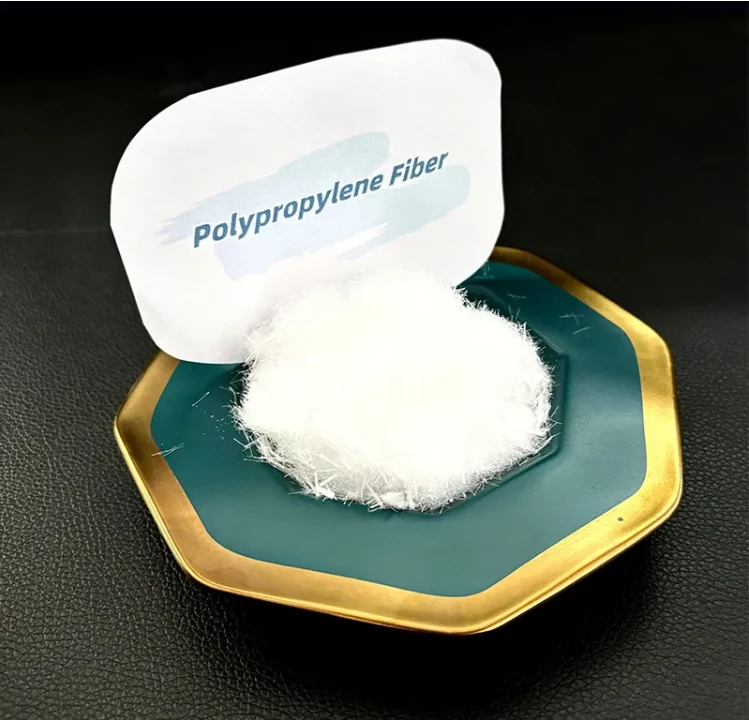
Polypropylene fiber is a versatile, durable material that is used in a variety of applications across multiple industries. Known for its excellent resistance to wear, moisture, and chemicals, polypropylene fiber provides strength, flexibility, and longevity to the products it’s used in. Whether you're in the construction, textile, or automotive industry, polypropylene fiber can improve the overall quality of your products. From reinforcing concrete to enhancing fabric durability, polypropylene fiber is the perfect solution for creating high-performance, long-lasting materials. Discover the benefits of polypropylene fiber and see how it can elevate your product offerings. Explore the Many Polypropylene Fiber Uses in Various Industries Polypropylene fiber uses are wide-ranging and highly valuable across many sectors. In the construction industry, polypropylene fiber is often used to reinforce concrete, improving its tensile strength and reducing the likelihood of cracks. This type of fiber also helps prevent shrinkage and enhances the durability of the material. Polypropylene fiber uses extend to textiles, where it is used in carpets, upholstery, and clothing due to its ability to resist moisture and stains. The automotive industry also benefits from polypropylene fiber , which is used in interior parts and insulation materials. By incorporating polypropylene fiber into your products, you can enhance their performance, durability, and overall quality. Get the Best Polypropylene Fiber Price for Your Needs When sourcing polypropylene fiber , understanding the polypropylene fiber price is key to maintaining your budget while ensuring top quality. The polypropylene fiber price varies based on factors such as the type of fiber, quantity, and specific application. However, we offer highly competitive prices that allow you to get the best value for your investment. Whether you're purchasing in bulk or small quantities, our pricing is designed to meet your needs without compromising on quality. We aim to provide affordable, high-performance polypropylene fiber that delivers exceptional results for your business. Contact us today to learn more about polypropylene fiber price and how we can help you save on your next order. Work with Trusted Polypropylene Fiber Suppliers for Consistent Quality Choosing the right polypropylene fiber suppliers is essential to ensuring that you receive a reliable, high-quality product. As one of the leading polypropylene fiber suppliers , we provide a wide range of polypropylene fiber s tailored to various applications. Our fibers are produced using advanced technologies and undergo stringent quality control to ensure consistency and performance. We understand the importance of delivering products that meet your specifications, which is why we work closely with you to offer customized solutions that suit your needs. Partner with us as your trusted polypropylene fiber suppliers and benefit from our reliable service, fast shipping, and top-tier products. Why Choose Us for Your Polypropylene Fiber Needs? When it comes to sourcing polypropylene fiber , we are your go-to partner for reliable, high-performance products at the best polypropylene fiber price . As experienced polypropylene fiber suppliers , we offer a wide range of products for diverse industries such as construction, textiles, and automotive. Our commitment to quality, customer satisfaction, and competitive pricing sets us apart from the competition. Whether you need polypropylene fiber for a large-scale project or a smaller specialized order, we have the expertise and resources to meet your needs. Choose us for all your polypropylene fiber requirements and experience unmatched quality and service.
advantages
-

200000 Viscosities
Excellent product
We can produce pure products up to 200,000 viscosities
-

40000 tons
High yield
We don’t stop production all year round, and the annual output can reach 40,000 tons
-

24 hours
Quality service
We provide 24-hours online reception service, welcome to consult at any time
———— Inquiry Form
Schedule A services
-
 buy_sodium_polyacrylate_powder
Oct . 25, 2025
In the world of construction and remodeling, the use of plaster retarder is a nuanced topic that dem -
 hormigon_de_fibra_de_polipropileno
Oct . 25, 2025
Hydroxypropyl methylcellulose (HPMC) is widely recognized in the realm of product formulation, parti -
 hpmc_thickening_agent
Oct . 25, 2025
In today’s fast-paced manufacturing and construction industries, the demand for sustainable and cost


